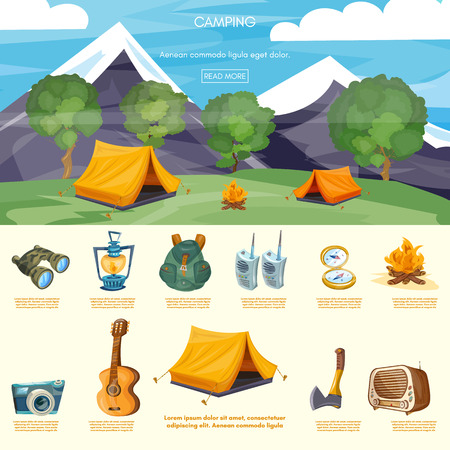
Canvas wall surface tents are prominent in the glamping sector, offering a hotel-like experience in nature without high costs. They're likewise suitable for outfitter base camps or hunting expeditions in the backcountry.
When buying a canvas wall camping tent, you'll require to take into consideration the kind of flooring you want for your camp. There are a number of alternatives available, varying from no flooring at all to complete floors.
Raised Floors
Canvas wall surface tents are utilized by hunters, outfitters, and households that want a sizable, resilient and functional shelter. These outdoors tents provide heat and defense from harsh aspects, backcountry pests and wildlife, and snowy weather.
A flooring can make a large difference in the comfort, functionality, and sanitation of your canvas wall camping tent. It likewise aids to keep the dust and mud inside your tent where it belongs.
Many wall surface camping tent producers supply floor covering options along with their canvas camping tents. Some provide sewn-in floorings, which are developed into the outdoor tents and can not be eliminated. They are a great choice if you plan on utilizing a wood stove and need to shield the ground from the fire's warm, but they include weight and mass and can provide you an unpleasant sleep. Some brand names supply a 3/4 floor which is developed to cover the rear portion of the outdoor tents, leaving the front open for cots and gear.
Modular Floorings
Modular floors, also called loose or removed floors, are not sewn-in, and offer a lot of benefits over the standard sewn-in options. Lots of outfitters and hunters choose loose floor options due to the fact that they can get rid of shoes, equipment, and particles prior to going into the resting location, maintaining whatever clean and dry.
This kind of flooring can be as easy as carpet remnants or as extravagant as a red carpet. It's a great way to produce an inviting environment for visitors and to add a touch of course or warmth to any kind of glamping experience.
Interlacing modular floor tiles snap with each other like problem pieces and can be utilized for a range of occasions and setups. A Wisconsin-based devices, tent, and party rental company utilized a modular flooring system to develop a secure occasion setting at a huge moto society event. This task was finished months ahead of routine and showcased the advantages of a flexible modular floor system. It's a model for the future of building, showing that versatile design is the brand-new sustainable bag standard for performance and adaptability.
Sewn-In Floors
A sewn-in floor is an item of vinyl designed to suit your outdoor tents and clip into matching d-rings. It keeps moisture and pests out and adds a little extra personal privacy to the resting quarters.
Nonetheless, it's bulky and requires more effort and time to establish. It also makes relocating cots in and out of the camping tent a little an inconvenience.
Loosened floors are one more option, and they're prominent amongst outfitters who wish to make their canvas wall surface outdoors tents more comfortable for chilly outdoor camping without ovens. These separated flooring tarpaulins are personalized to the dimension of your tent and have grommets around the sides to link them down.
Full floors are the best choice for wintertime outdoor camping because they provide you full ground coverage inside your wall tent. They're made out of heavy-duty vinyl and are sized to fit your tent's interior impact from side to edge and corner to edge. Nonetheless, they're more expensive than loose floorings.
Loose Floors
The current floor covering advancement is loose lay tough surface area floor covering. It can be found in both floor tile and plank styles that are a lot more authentically evocative actual tile and wood floors than the conventional sheet flooring. It is also simpler to clean, minimizing upkeep needs and keeping the inside of your camping tent cleaner much longer. Nevertheless, loosened ordinary flooring can still develop joints over time when revealed to hefty furnishings and rising and fall temperature levels.
This can lead to noticeable seams and a jeopardized look, which can make it a poor option for environments susceptible to severe conditions. One more drawback is that, because the floor does not secure firmly to the outdoor tents wall surfaces, there is an opportunity for small animals to crawl in and out.